
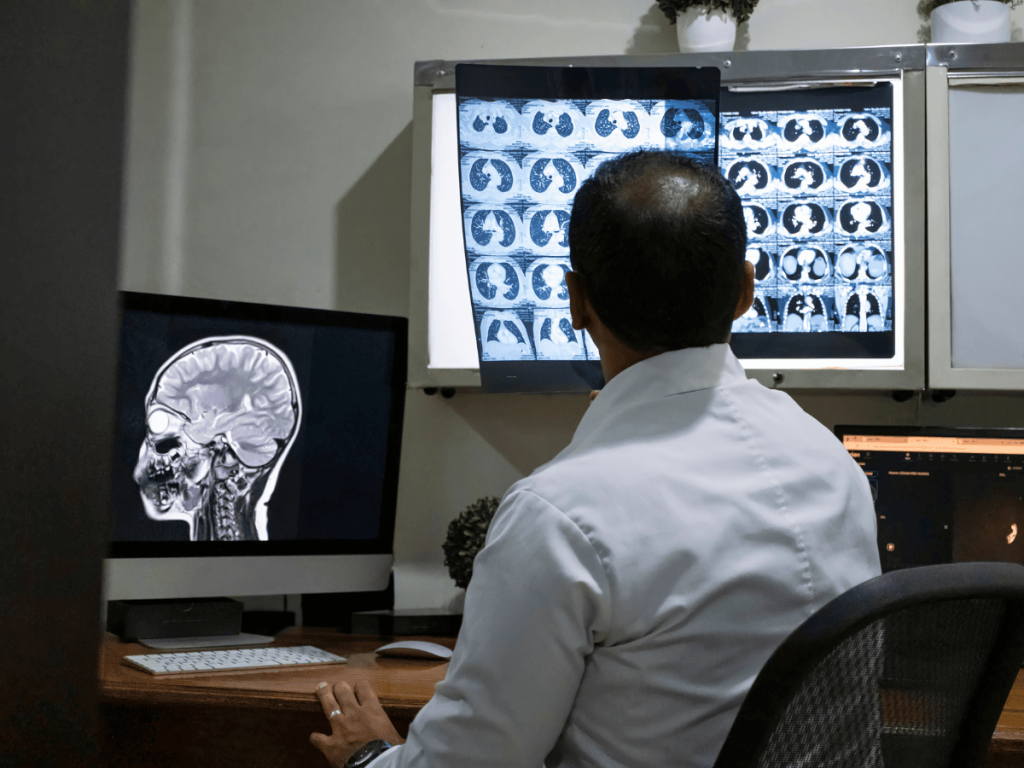
Medical imaging plays a critical role in modern healthcare. Physicians rely on X-rays, CT scans, MRIs, mammograms, ultrasounds, and other diagnostic studies to identify injuries, detect diseases, and guide treatment decisions. Increasingly, hospitals and healthcare providers in Oklahoma City use remote radiologists to interpret these images.
When a remote radiologist misreads a scan, the consequences can be devastating. Patients may receive the wrong treatment, experience significant delays in diagnosis, or lose valuable opportunities for early intervention.
If you suffered harm because of a diagnostic imaging error, it’s time to contact an attorney. The experienced Oklahoma City medical malpractice attorneys at Maples Harrison Zeaman PLLC can review your case and advise you about your options for seeking compensation.
What Is Teleradiology?
Teleradiology is the practice of transmitting medical images electronically so they can be reviewed by a radiologist located elsewhere. Rather than interpreting images onsite, a radiologist may review scans from another city, state, or even another country.
Today, teleradiology is commonly used for:
- Emergency room imaging
- Overnight radiology coverage
- Rural healthcare facilities
- Specialty consultations
- High-volume hospital systems
- Independent imaging centers
Remote Radiologists and Imaging Errors?
Studies have consistently shown that imaging interpretation errors occur across all areas of radiology. Patients can suffer significant harm when these mistakes happen.
Common imaging interpretation errors include:
- Missing visible abnormalities
- Failing to identify fractures
- Overlooking tumors or cancerous growths
- Misinterpreting signs of stroke
- Missing internal bleeding
- Incorrectly identifying infections
- Misreading mammograms
- Confusing benign and malignant findings
How Can a Misread Scan Harm a Patient?
A radiology report often serves as the foundation for critical medical decisions. When the report is inaccurate, the entire course of treatment can be affected.
Delayed Diagnosis
One of the most common consequences of imaging errors is delayed diagnosis malpractice. In many cases, early detection could have improved the patient’s outcome, but when a radiologist fails to identify a developing condition, treatment may be postponed for weeks, months, or even years. During that time, the patient’s condition may worsen significantly.
Delayed diagnoses frequently involve:
- Cancer
- Stroke
- Brain injuries
- Internal bleeding
- Heart disease
- Pulmonary embolisms
- Spinal cord injuries
Receiving Incorrect Treatment
A misread scan can also result in treatment for a condition the patient does not actually have. Not only does the underlying condition remain untreated, but the patient may suffer additional complications from unnecessary interventions.
Examples include:
- Unnecessary surgeries
- Improper medications
- Invasive diagnostic procedures
- Radiation treatments
- Additional hospitalizations
Disease Progresses Without Treatment
When a serious illness remains undiagnosed, it often becomes more difficult and expensive to treat. For example, a missed cancer diagnosis may allow a tumor to spread beyond its original location, reducing treatment options and survival rates.
Permanent Injury
Certain conditions require immediate intervention. If imaging interpretation errors delay treatment, patients may suffer permanent disabilities. In severe cases, diagnostic errors can result in wrongful death.
Examples include:
- Stroke-related brain damage
- Loss of vision
- Paralysis
- Organ failure
- Amputation
- Cognitive impairment
What Types of Scans Are Commonly Misread?
Regardless of the type of scan involved, healthcare providers have a responsibility to accurately interpret and communicate imaging results. Unfortunately, any diagnostic image can be interpreted incorrectly.
- X-Rays. Missed fractures, lung abnormalities, and signs of infection are among the most common X-ray interpretation mistakes.
- CT Scans. CT scans are frequently used to diagnose traumatic injuries, strokes, internal bleeding, and cancers. Errors can delay life-saving treatment.
- MRIs. MRI studies often reveal soft tissue injuries, neurological conditions, and spinal abnormalities. Missing subtle findings can have significant consequences.
- Mammograms. Breast cancer is one of the most frequently litigated forms of radiology malpractice because delayed diagnosis can dramatically affect patient outcomes.
- Ultrasounds. Ultrasound errors can impact pregnancy care, organ disease diagnosis, and emergency medical treatment.
Why Do Teleradiology Errors Occur?
While remote radiology can be highly effective, several factors may increase the risk of mistakes.
High Workloads
Many teleradiology providers handle large volumes of studies under significant time pressure. Fatigue and workload demands can contribute to missed findings.
Limited Patient Information
Remote radiologists may not have direct access to complete medical histories or face-to-face communication with treating physicians. Without critical context, subtle abnormalities may be overlooked.
Communication Failures
Effective communication between radiologists and treating physicians is essential. Important findings may be delayed or lost due to:
- Incomplete reporting
- Technical issues
- Documentation errors
- Failure to communicate urgent results
Technological Problems
Image quality issues, software failures, transmission errors, or incomplete image uploads can affect interpretation accuracy.
Human Error
Even experienced radiologists can make mistakes. However, when those mistakes fall below accepted professional standards and cause injury, they may constitute medical malpractice.
Who Can Be Held Liable for a Misread Scan?
Multiple parties may share responsibility for the error. An experienced medical malpractice attorney can investigate potentially responsible parties.
The Radiologist
The interpreting radiologist may be liable if they failed to identify findings that a reasonably competent radiologist should have recognized. A radiologist negligence claim often focuses on whether the physician deviated from accepted radiology standards.
Hospitals
Hospitals can sometimes be held responsible when their employees commit negligent acts or when systemic failures contribute to diagnostic mistakes.
Examples include:
- Inadequate staffing
- Poor communication protocols
- Failure to supervise providers
- Deficient quality-control procedures
Imaging Centers
Independent imaging centers may bear responsibility if equipment issues, staffing problems, or administrative failures contribute to an inaccurate diagnosis.
Teleradiology Companies
Many remote radiologists work for third-party teleradiology providers. These companies may be liable if they:
- Hire unqualified radiologists
- Fail to provide adequate oversight
- Create unsafe workload expectations
- Maintain inadequate review procedures
Speak With an Experienced OKC Medical Malpractice Attorney
At Maples Harrison Zeaman PLLC, we understand the devastating impact that radiology malpractice and delayed diagnosis can have on patients and their families. If you believe a diagnostic imaging error caused serious harm, our legal team can investigate the circumstances, consult with medical experts, and explain your legal options.
Call (405) 705-5050 to schedule a free consultation today.
Frequently Asked Questions About Remote Radiology Misreads
Can I file a lawsuit if a remote radiologist misreads my scan?
Yes. If a radiologist’s mistake caused a delayed diagnosis, incorrect treatment, or a worsening medical condition, you may have grounds for a medical malpractice claim. An attorney can evaluate whether the imaging interpretation error fell below the accepted standard of care.
Who can be held responsible for a teleradiology misdiagnosis?
Liability may extend beyond the radiologist who interpreted the scan. Depending on the circumstances, hospitals, imaging centers, and third-party teleradiology companies may also be held accountable for contributing to the error.
What types of imaging errors commonly lead to radiology malpractice claims?
Common imaging interpretation errors include missed fractures on X-rays, overlooked tumors on CT scans, undetected abnormalities on MRIs, and missed signs of breast cancer on mammograms.
What compensation is available in a radiology malpractice case?
Victims may be able to recover compensation for medical expenses, lost income, future treatment costs, pain and suffering, and other damages related to the diagnostic error. The amount of compensation depends on the severity of the injury and its long-term impact.