
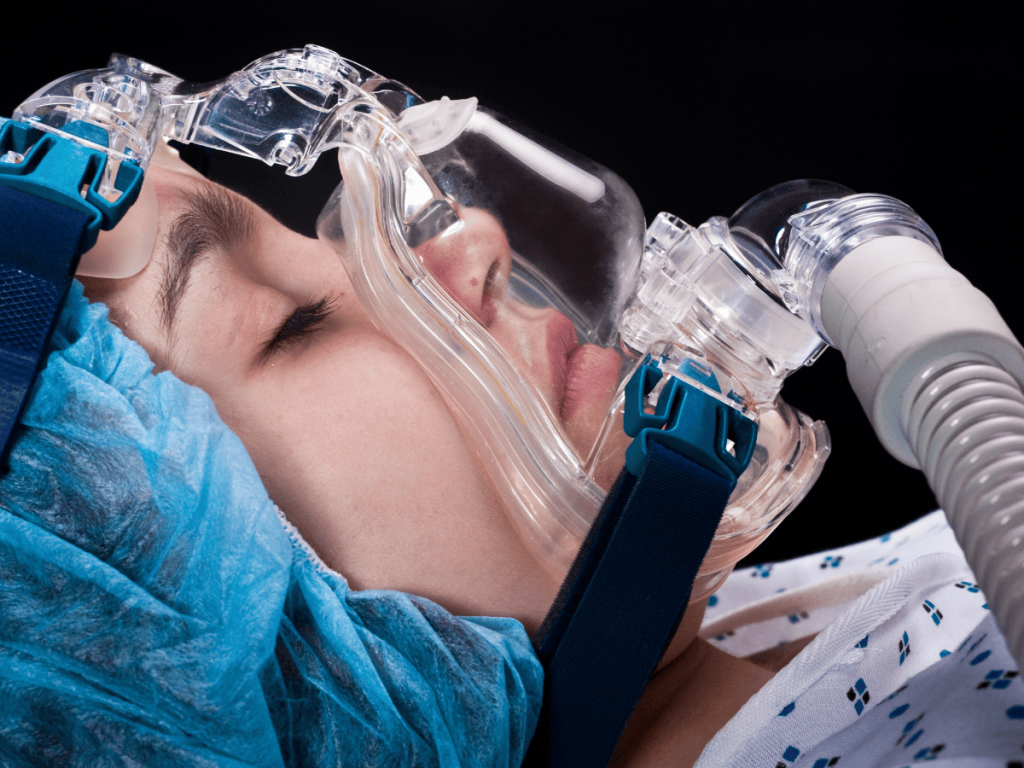
When a child has surgery, parents trust that every member of the medical team will follow established safety protocols. Unfortunately, anesthesia mistakes still occur, and the consequences can be devastating. A child who receives too much anesthesia, too little anesthesia, or the wrong medication altogether may suffer serious complications, permanent injuries, or even death.
If your child experienced medical complications due to an anesthesia dosage error during surgery, it’s time to seek legal assistance. The experienced Oklahoma City medical malpractice lawyers at Maples Harrison Zeaman PLLC can review your case and advise you about your options for seeking compensation.
The Hazards of Pediatric Anesthesia Errors?
Dosage errors made while administering anesthetics can have catastrophic consequences for a pediatric patient. Children’s bodies process medications differently than adults, making precision essential throughout the surgical process.
Injuries caused by anesthesia-related may include:
- Oxygen deprivation
- Brain damage
- Cardiac complications
- Respiratory failure
- Seizures
- Organ damage
- Nerve injuries
- Developmental delays
- Wrongful death
What Causes Pediatric Anesthesia Dosage Errors?
Many anesthesia mistakes are preventable. When these preventable mistakes occur, families may have grounds for a pediatric surgical malpractice claim.
Incorrect Weight Calculations
Many pediatric medications are calculated according to a child’s weight. If a nurse, anesthesiologist, or surgical team member records the wrong weight or miscalculates a dosage, a child may receive an excessive amount of anesthesia.
Medication Administration Errors
Medication administration errors can occur when healthcare providers select the wrong medication, misread labels, confuse similar drug names, or use the wrong concentration. Serious injuries may also result when anesthesia is administered through the wrong route or in a manner that does not comply with accepted medical standards.
Communication Failures
Surgical procedures require coordination among multiple medical professionals. Miscommunication regarding a child’s medical history, allergies, medication interactions, or dosage requirements can result in serious complications.
Inadequate Monitoring
Children receiving anesthesia must be closely monitored before, during, and after surgery. Failure to recognize signs of respiratory distress, oxygen deprivation, or adverse drug reactions can allow a preventable injury to worsen.
Equipment Errors
Defective monitoring equipment, malfunctioning anesthesia machines, or improperly calibrated devices can contribute to serious injuries when problems go unnoticed.
Failure to Review Your Child’s Medical History
Certain medical conditions can increase anesthesia risks. Providers who fail to thoroughly review a child’s records may administer medications that create dangerous complications.
Who Can Be Held Liable for Anesthesia Errors?
After an anesthesia error occurs, an experienced medical malpractice attorney can investigate all potentially liable parties.
- Anesthesiologists. Anesthesiologists are responsible for calculating dosages, administering medications, monitoring patients, and responding to complications during surgery. If anesthesiologists fail to meet accepted medical standards, they may be held accountable for resulting injuries.
- Surgeons. Surgeons may share responsibility when they fail to coordinate appropriately with anesthesia providers, ignore signs of distress, or proceed despite obvious safety concerns.
- Operating room nurses and recovery room nurses play critical roles in monitoring patients and documenting medications. Failure to follow procedures or report complications may constitute negligence.
- Hospitals. Hospitals may be held liable when inadequate staffing, poor training, or unsafe policies create conditions that increase the risk of medical errors. They can also be responsible for failing to properly supervise employees or credentialing healthcare providers who are not qualified to provide safe patient care.
- Surgical Centers. Outpatient surgery centers have a duty to maintain safe practices and employ qualified personnel. If administrative failures contribute to an anesthesia overdose or other injury, the facility itself may be liable.
What Types of Injuries Result From Anesthesia Overdoses?
The effects of an anesthesia overdose can vary significantly depending on the child’s age, health, and the severity of the error. Some children recover after a prolonged hospitalization, while others suffer permanent impairments.
In severe cases, children may require lifelong medical care, rehabilitation services, specialized education programs, and ongoing therapy. These long-term consequences often become central factors in a child anesthesia overdose lawsuit.
Injuries may include:
- Brain injuries caused by oxygen deprivation
- Cognitive impairments
- Memory problems
- Learning disabilities
- Developmental delays
- Motor function impairments
- Speech difficulties
- Chronic respiratory issues
- Cardiac damage
- Psychological trauma
What Should Parents Do If They Suspect an Anesthesia Error?
Many parents do not immediately realize that a medical mistake occurred. Hospitals may describe complications as unavoidable risks, even when negligence contributed to the outcome.
If you suspect an anesthesia dosage error, you will want to take the following steps:
- Seek Additional Medical Evaluation. Obtaining a second opinion may help identify whether the injury resulted from a preventable error.
- Preserve Medical Records. Request copies of all relevant medical records, including surgical records, anesthesia logs, medication administration records, diagnostic imaging, and hospital notes, as these documents may contain important evidence regarding the cause of your child’s injury.
- Keep Detailed Notes. Document your child’s symptoms, treatment history, and any conversations with healthcare providers.
- Avoid Signing a Release. Insurance companies and healthcare facilities may seek statements or releases before the full extent of the injury is known.
- Contact a Medical Malpractice Attorney. Early investigation can help preserve evidence and identify responsible parties before important information is lost.
How Attorneys Investigate Anesthesia Errors
Hospitals and healthcare providers often have substantial legal resources devoted to defending claims. An experienced lawyer can level the playing field by:
- Investigating the medical records
- Consulting expert witnesses
- Determining liability
- Calculating long-term damages
- Negotiating with insurance companies
- Preparing the case for trial if necessary
Speak With a Trusted OKC Medical Malpractice Attorney Today
When a child suffers serious complications from an anesthesia dosage error, families deserve answers. Medical professionals, hospitals, and surgical centers have a responsibility to follow established safety standards and protect vulnerable patients. When they fail to do so, Oklahoma law may provide a path toward accountability and financial recovery.
Maples Harrison Zeaman PLLC represents medical malpractice victims in OKC and throughout Oklahoma. Since 2002, our firm has been fighting for injured clients and pursuing maximum compensation.
Call (405) 705-5050 to schedule a free consultation today.
FAQs About Childhood Anesthesia Errors
How do I know if my child received the wrong anesthesia dose?
Signs of an anesthesia dosage error may include unexpected breathing problems, prolonged unconsciousness, seizures, cardiac complications, brain injury symptoms, or delayed recovery after surgery. A medical review and investigation of the anesthesia records can help determine whether a preventable error occurred.
Can I sue a hospital if my child was injured by an anesthesia mistake?
Yes. Hospitals can be held liable when hospital negligence contributes to an anesthesia injury. Examples include inadequate staff training, poor supervision, understaffing, failure to follow safety protocols, or allowing unqualified providers to participate in a child’s care.
Who may be responsible for a pediatric anesthesia error?
Several parties may be responsible, including anesthesiologists, surgeons, nurses, hospitals, and surgical centers. Liability depends on who made the mistake and whether their actions fell below accepted medical standards.
What compensation can families recover in a child anesthesia overdose lawsuit?
Compensation may include medical expenses, future treatment costs, rehabilitation, therapy, pain and suffering, disability-related expenses, and other damages resulting from the injury. If the error leads to a child’s death, additional wrongful death damages may be available.
Why should I hire an attorney for an anesthesia malpractice case?
Anesthesia injury cases are often medically complex and require expert testimony to prove negligence. An experienced anesthesia error lawyer can investigate the circumstances, identify liable parties, work with medical experts, and pursue the full compensation your family may be entitled to recover.